
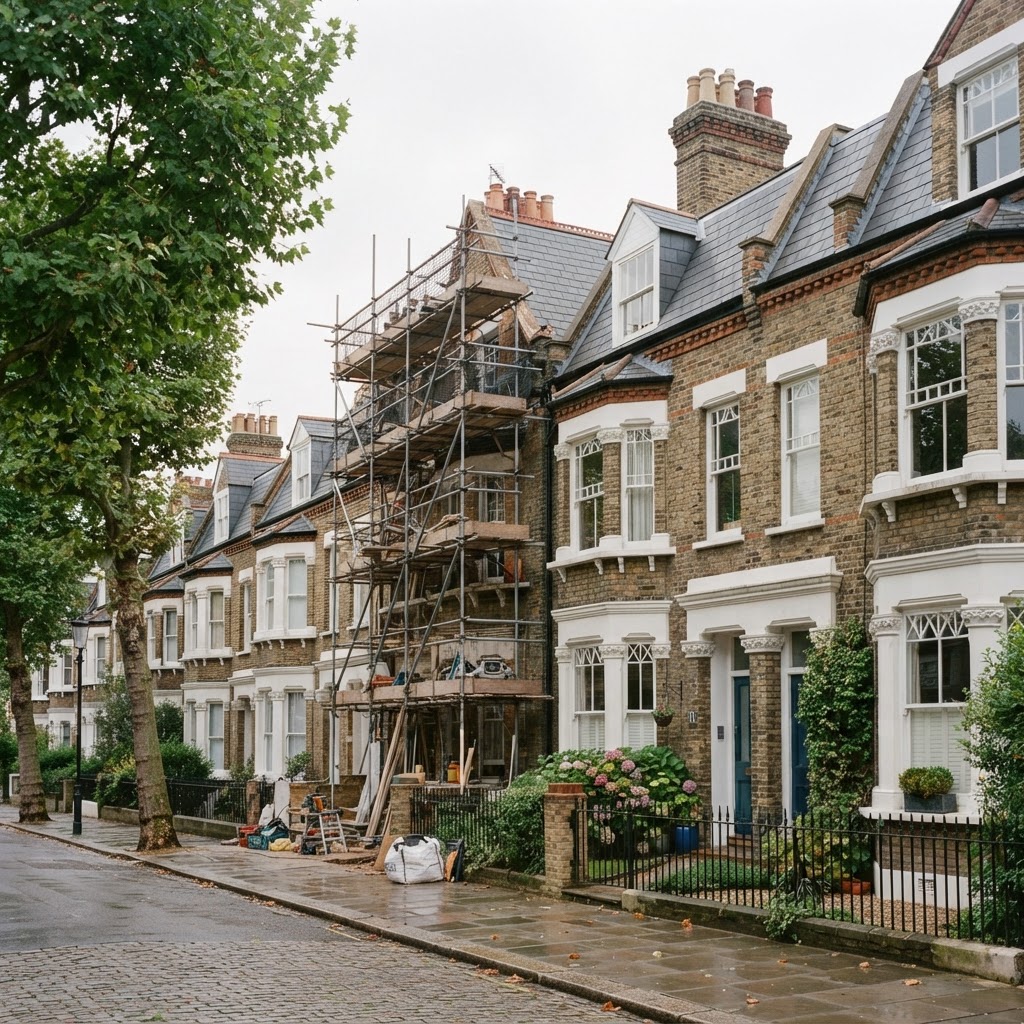
What is an Article 4 Direction?
An Article 4 Direction is a planning tool allowing Local Planning Authorities to remove permitted development rights in specific areas. Made under Article 4 of the Town and Country Planning (General Permitted Development) Order 2015, these directions require planning permission for works that would normally be permitted without consent.
Article 4 Directions are used to protect areas of special character - typically conservation areas, but also high-quality residential estates, historic town centres, and landscapes where cumulative minor changes could erode character.
Why Are Article 4 Directions Made?
Local Planning Authorities make Article 4 Directions to prevent:
- Erosion of conservation area character - Cumulative impact of unsympathetic alterations (UPVC windows, inappropriate materials, render changes) degrading architectural coherence
- Loss of architectural features - Removal of historic windows, doors, chimneys, boundary walls, or railings that contribute to area character
- Suburbanization of historic areas - Introduction of modern features incongruous with historic character (satellite dishes, solar panels, hard standings)
- Piecemeal deterioration - Gradual decline through multiple small changes that individually seem minor but collectively cause substantial harm
Check if Article 4 Directions apply to your property using our free Article 4 Direction map. Simply search by postcode to see if permitted development rights are restricted.
Types of Article 4 Directions
Non-Immediate Article 4 Directions
Standard Article 4 Directions require 12 months' notice before taking effect. This allows:
- Property owners to carry out permitted development before restrictions apply
- Public consultation on the proposed direction
- Representations and objections to be considered
- Confirmation (or not) by the Local Planning Authority after the notice period
During the 12-month notice period, property owners often rush to exercise permitted development rights before they're removed - installing extensions, replacing windows, or converting lofts while they still can.
Immediate Article 4 Directions
In exceptional cases where urgent protection is needed, Local Planning Authorities can make immediate Article 4 Directionstaking effect immediately without the 12-month notice period.
However, immediate directions:
- Last only 6 months unless confirmed
- Require Secretary of State approval for confirmation
- May trigger compensation claims (see below)
- Are rarely used due to administrative burden and compensation risk
What Rights Do Article 4 Directions Remove?
Article 4 Directions can remove specific permitted development rights or broader categories. The most common restrictions include:
Residential Article 4 Restrictions
External alterations - Typical Article 4s in conservation areas remove permitted development for:
- Replacement windows and doors (requiring planning permission to prevent UPVC replacing timber)
- Painting or rendering brickwork (preserving historic facades)
- Roof alterations including tiles, dormers, rooflights
- Chimney removal or alteration
- Solar panels and other microgeneration
- Satellite dishes and antennae on prominent elevations
- Boundary walls, fences, gates, and railings
Extensions and outbuildings - Some Article 4s remove permitted development rights for:
- Rear extensions and conservatories
- Side extensions and wraparound extensions
- Loft conversions and roof extensions
- Garden outbuildings, sheds, and garages
Front gardens and hardstandings - Article 4s may restrict:
- Laying hard surfacing in front gardens (preventing loss of green space and increasing flood risk)
- Removing hedges or boundary walls
- Creating vehicle crossovers
Commercial Article 4 Directions
Article 4s also apply to commercial permitted development rights:
Office to residential conversions - Many urban areas have Article 4 Directions preventing Class MA permitted development (office to residential) to protect employment land.
Retail to residential conversions - High streets protected by Article 4s preventing loss of shops to housing.
Agricultural buildings - Article 4s in National Parks, AONBs, or sensitive landscapes may remove agricultural permitted development rights preventing large agricultural buildings or barn conversions.
Checking if Article 4 Applies to Your Property
Before planning home improvements, check if Article 4 Directions apply:
- Local Planning Authority website - Most councils publish lists of Article 4 Directions with maps and coverage areas
- OneMap interactive viewer - Search by postcode to see Article 4 Direction zones overlaid on mapping
- Planning portal search - Official planning history searches show Article 4 coverage
- Conservation area appraisals - Documents explain what Article 4 restrictions apply
Don't assume Article 4s apply just because you're in a conservation area - not all conservation areas have Article 4 Directions. Conversely, Article 4s can apply outside conservation areas in high-quality residential areas or Areas of Outstanding Natural Beauty.
Applying for Planning Permission Under Article 4
Where Article 4 Directions remove permitted development rights, you must apply for planning permission. These applications are called "Article 4 applications" though procedurally identical to standard planning applications.
Article 4 Application Requirements
Planning applications for works that would have been permitted development require:
- Completed application forms - Standard householder or full planning application
- Scaled drawings - Existing and proposed elevations, floor plans, site plans
- Design and Access Statement - Justifying design choices and explaining how proposals respect area character
- Heritage statement - For conservation areas, explaining impact on character and significance
- Supporting photographs - Context photos showing existing property and streetscene
Application fees apply - typically £206 for householder applications (standard permission for home improvements). Determination takes 8 weeks.
Design Expectations
Article 4 applications face higher design standards than elsewhere:
- Materials matching - Replicate existing materials, finishes, and details precisely
- Traditional detailing - Preserve historic features (sash windows, panelled doors, chimney pots)
- Proportions and rhythm - Maintain architectural proportions and streetscene rhythm
- Sympathetic additions - Extensions and alterations clearly subservient to original building
Applications proposing UPVC windows, modern rooflights, or non-traditional materials in Article 4 areas are routinely refused. Use timber windows with appropriate glazing bar patterns, natural slate or clay tiles, and traditional joinery details.
Compensation for Article 4 Directions
Property owners may claim compensation if planning permission is refused for development that would have been permitted development but for an Article 4 Direction. However, compensation is only payable for:
- Immediate Article 4 Directions - Directions taking effect without 12 months' notice
- Abortive expenditure - Costs incurred preparing refused applications
- Loss or damage - Depreciation in land value directly attributable to the refusal
Compensation claims are rare because:
- Most Article 4s give 12 months' notice, excluding compensation rights
- Claims must be made within 12 months of refusal
- Proving loss is difficult (especially for minor alterations)
- Applications conforming to conservation area character are usually approved
The compensation risk is why Local Planning Authorities avoid immediate Article 4 Directions except in genuine emergencies.
Article 4 Directions and Property Values
The impact of Article 4 Directions on property values is debated:
Potential Negative Impacts
- Reduced flexibility - Cannot carry out home improvements without permission and delay
- Additional costs - Planning fees, consultant fees, and potential refusals add expense
- Materials requirements - Traditional materials cost more than modern alternatives
- Uncertainty - Applications can be refused, whereas permitted development is certain
Potential Positive Impacts
- Character protection - Article 4s prevent neighbouring properties eroding area character
- Heritage premium - Protected areas often command higher prices
- Quality assurance - Planning control ensures high-quality development
- Long-term value - Protection maintains desirability over time
Research suggests well-designed Article 4 Directions in desirable locations have neutral or positive impacts on values, while poorly targeted directions in less prestigious areas may have modest negative effects.
Challenging Article 4 Directions
Property owners can make representations when Article 4 Directions are proposed:
- During consultation - Submit representations during the notice period explaining why the direction is unnecessary or disproportionate
- Request modification - Suggest narrowing the scope to specific classes of development rather than blanket restrictions
- Evidence of harm - Demonstrate that permitted development in the area hasn't harmed character
Once confirmed, Article 4 Directions can be challenged through judicial review, but only on procedural grounds (failure to consult properly, irrational decision-making). Courts rarely overturn Article 4s on substantive planning merits.
If planning permission is refused for works under an Article 4, appeal to the Planning Inspectorate using the standard appeals process. Appeals are determined on planning merits considering whether proposals harm the character the Article 4 seeks to protect.
Living with Article 4 Restrictions
If your property is subject to Article 4 restrictions:
Plan Ahead
- Pre-application advice - Seek pre-app advice from the council before incurring design costs (fees typically £50-£200)
- Review design guides - Study the conservation area appraisal and design guidance
- Consult specialists - Use architects experienced in heritage work who understand conservation area requirements
- Budget realistically - Allow 3-4 months for planning process and budget for planning fees and consultant costs
Design Sympathetically
- Match existing materials precisely (obtain samples for approval)
- Retain or reinstate traditional features
- Use skilled craftspeople familiar with traditional construction
- Consider reversibility - alterations that can be undone are viewed more favourably
Most well-designed proposals in Article 4 areas are approved. The restrictions aim to maintain quality, not prevent all change. Work with the planning authority rather than against them - their conservation officers can provide valuable guidance on acceptable solutions.