
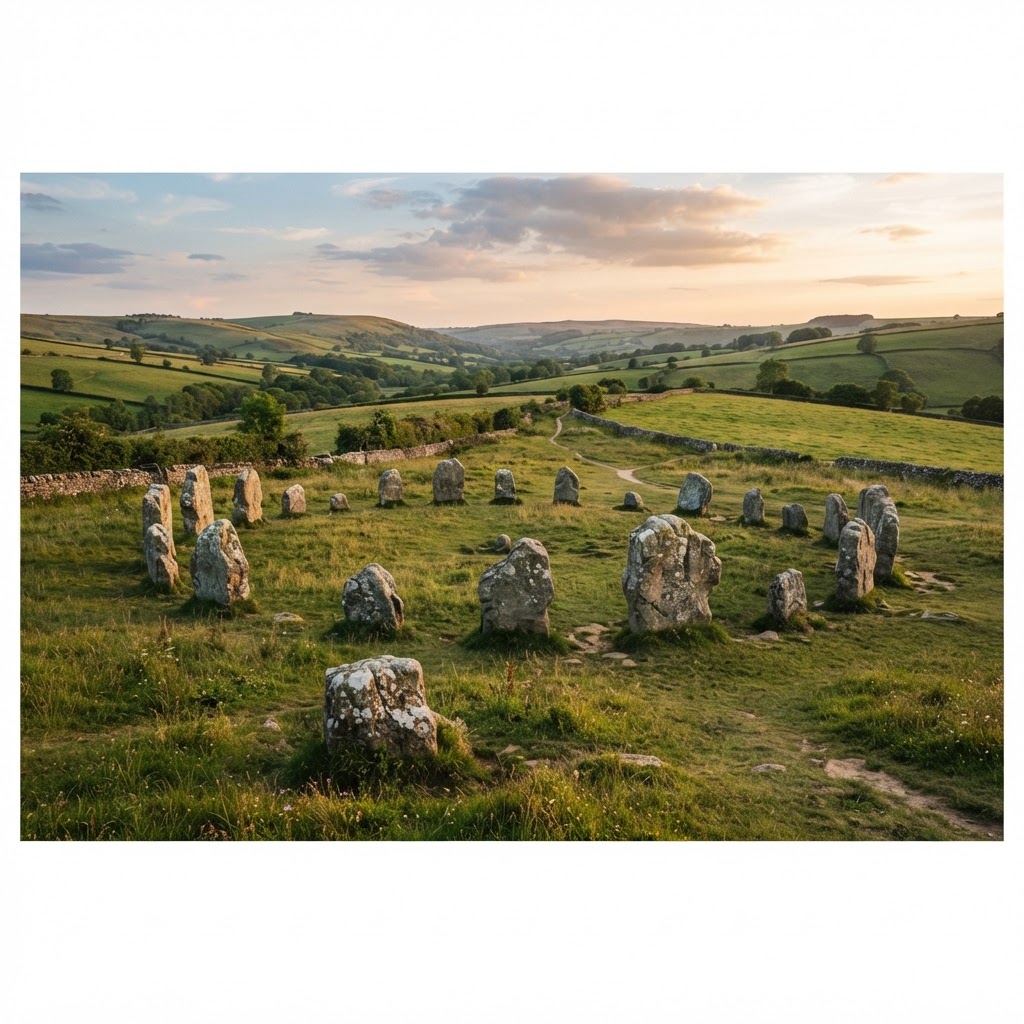
What is a Scheduled Monument?
Scheduled Monuments are nationally important archaeological sites, historic buildings, and structures protected under the Ancient Monuments and Archaeological Areas Act 1979. England has approximately 20,000 scheduled monuments ranging from prehistoric stone circles and Roman forts to medieval castles and Second World War defenses.
Scheduling provides the highest level of legal protection for archaeological sites and historic structures. Any works affecting a scheduled monument require Scheduled Monument Consent (SMC) from the Secretary of State for Culture, Media and Sport, on advice from Historic England.
Types of Scheduled Monuments
Monuments are scheduled based on their national archaeological, historical, or architectural importance:
- Prehistoric monuments - Stone circles, burial mounds, hill forts, henges (e.g., Stonehenge, Avebury)
- Roman sites - Forts, villas, roads, walls (e.g., Hadrian's Wall, Bath Roman Baths)
- Medieval structures - Castles, abbeys, monasteries, deserted villages
- Industrial heritage - Mills, engine houses, canals, railways, mines
- Military sites - Defense works, airfields, Cold War bunkers, radar stations
- Maritime archaeology - Shipwrecks, harbors, coastal defenses
Check if land contains scheduled monuments using our free heritage map viewer. Search by postcode to see scheduled monuments and their protected zones.
Scheduled Monument Consent Requirements
It is a criminal offence to carry out works affecting a scheduled monument without Scheduled Monument Consent. Protected works include:
- Demolition or removal - Any destruction of monument fabric
- Repair or alteration - Even sympathetic repairs to maintain the monument
- Additions or extensions - Building on or adjacent to scheduled areas
- Flooding or tipping - Changing ground levels or depositing materials
- Agricultural operations - Ploughing, drainage, tree planting within scheduled area
- Archaeological investigation - Metal detecting, excavation, geophysical survey
Scheduled Monument Consent is separate from planning permission. Both may be required depending on the proposed works.
Applying for Scheduled Monument Consent
SMC applications are submitted to the Department for Culture, Media and Sport via Historic England. The process involves:
- Pre-application consultation - Discuss proposals with Historic England's Inspector of Ancient Monuments for your area. Essential for understanding what will be acceptable.
- Heritage statement - Detailed assessment of monument significance and impact of proposed works prepared by qualified archaeologists.
- Method statement - Detailed specification of works including archaeological recording, supervision, and mitigation.
- Application submission - Formal SMC application with all supporting documents.
- Consultation period - Historic England consults relevant bodies and local authorities (typically 28 days).
- Determination - Secretary of State decides whether to grant consent, usually within 3-6 months.
SMC applications are free. However, archaeological consultancy fees for heritage assessments and method statements typically cost £5,000-£20,000 depending on monument complexity.
Development Near Scheduled Monuments
Planning policy (NPPF paragraph 203) requires Local Planning Authorities to consider the effect of proposed development on the significance of scheduled monuments and their settings.
Monument Settings and Buffer Zones
The "setting" of a scheduled monument includes its surroundings and context. Development affecting setting can harm significance even without physically touching the monument. Considerations include:
- Visual impact - Buildings, structures, or lighting visible from the monument or affecting views of it
- Noise and activity - Development generating noise, vibration, or activity undermining monument tranquility
- Historical relationships - Severing spatial or functional relationships between related monuments
- Archaeological context - Development destroying buried remains associated with scheduled monuments
Historic England typically requests buffer zones around scheduled monuments:
- Minimum 50-100 metres for most monuments
- 200+ metres for highly sensitive sites (major castles, hillforts with landscape visibility)
- Site-specific assessments for complex monuments
Archaeological Planning Conditions
Even where sites are not scheduled, archaeological remains may be present. Planning applications on sites with archaeological potential require archaeological evaluation and assessment.
Desk-Based Archaeological Assessment
Initial assessment reviewing Historic Environment Records (HER), historical maps, and previous archaeological investigations. Identifies archaeological potential and recommends further evaluation if needed. Costs £2,000-£5,000.
Archaeological Field Evaluation
If desk-based assessment identifies potential, field evaluation determines what archaeology is present:
- Geophysical survey - Magnetometry or ground-penetrating radar detecting buried features (£2,000-£8,000)
- Trial trenching - Excavating sample trenches (typically 2-5% of site area) to identify and characterize remains (£5,000-£30,000 depending on site size)
- Test pits - Smaller excavations for limited intrusion assessment
Evaluation results inform planning decisions and may require preservation strategies.
Archaeological Mitigation Strategies
Where significant archaeology is found, mitigation options include:
Preservation in situ - Redesigning development to avoid archaeology. Preferred option under NPPF policy. May require:
- Reduced foundation depths using raft foundations or piled/suspended floors
- Relocating buildings, roads, or services
- Creating archaeological parks or interpretation zones
- Capping buried remains with protective layers
Excavation and recording - Archaeological excavation before development (preservation by record). Costs vary enormously:
- Small sites - £20,000-£50,000
- Medium sites - £50,000-£200,000
- Large/complex sites - £200,000-£1,000,000+
Major excavations can delay development by 6-18 months. Significant finds may require preservation in situ or extended investigation at developer expense.
Heritage at Risk
Historic England's Heritage at Risk Register identifies scheduled monuments (and other heritage assets) in poor condition requiring urgent conservation. Approximately 12% of scheduled monuments are on the register.
Common risks to scheduled monuments include:
- Vegetation growth - Tree roots and vegetation damaging stonework
- Agricultural damage - Ploughing eroding earthworks
- Natural erosion - Coastal erosion, riverbank collapse, weathering
- Lack of maintenance - Buildings deteriorating through neglect
- Inappropriate repairs - Poor quality repairs using wrong materials
Local authorities have powers to serve Scheduled Monument Enforcement Notices compelling owners to undertake repairs or prevent further damage.
Grants for Scheduled Monument Maintenance
Owning a scheduled monument brings responsibilities but also potential funding for conservation:
Historic England Grants
- Scheduled Monument repair grants - Funding for urgent repairs to monuments at risk. Typically cover 50-80% of eligible costs.
- Heritage at Risk grants - Priority funding for monuments on the at-risk register. Can fund up to 100% for exceptional projects.
- Heritage Action Zones - Enhanced funding in priority areas for heritage-led regeneration.
Tax Relief and VAT
Capital Gains Tax relief - Conditional exemption from inheritance tax available for nationally important heritage assets including scheduled monuments if public access granted.
VAT relief - Approved alterations to scheduled monuments attract zero-rated VAT (0% rather than 20%) on building works and professional fees.
Metal Detecting and Treasure
Metal detecting on scheduled monuments requires Scheduled Monument Consent. Unauthorized metal detecting is a criminal offence.
The Treasure Act 1996 requires finders to report archaeological finds meeting the treasure definition:
- Objects over 300 years old containing 10%+ precious metal
- Hoards of coins over 300 years old (10+ coins)
- Objects associated with treasure
- Prehistoric base-metal assemblages
Treasure must be reported to the Coroner within 14 days. Failure to report is a criminal offence (fine up to £5,000 and/or 3 months imprisonment). Museums can acquire treasure with finders and landowners receiving market value rewards split 50/50.
The Portable Antiquities Scheme encourages recording of all archaeological finds. Over 1.5 million finds have been recorded, advancing archaeological knowledge.
Buying Property with Scheduled Monuments
If you're considering purchasing land or property containing or adjacent to scheduled monuments:
Due Diligence Checks
- Historic England register - Check the National Heritage List for England (NHLE) for scheduled monuments on or near the property
- Planning history - Review past SMC applications and planning decisions affecting the monument
- Management agreements - Check if Higher Level Stewardship or other agri-environment agreements restrict land use
- Public access obligations - Some monuments have public access requirements affecting property use
Implications for Owners
- Development restrictions - Extensions, outbuildings, or land alterations within scheduled areas require SMC
- Agricultural limitations - Ploughing, drainage, or fertilizer application may be restricted
- Maintenance obligations - Duty of care to prevent monument deterioration
- Insurance considerations - Buildings insurance for scheduled structures may require specialist cover
- Potential funding - Access to conservation grants and tax reliefs
Many monuments are unoccupied ruins posing no practical restrictions on property use. However, monuments incorporated into buildings or overlapping with gardens/land require careful management. Always obtain specialist heritage advice before purchase.
Check scheduled monuments alongside other heritage constraints including listed buildings and conservation areas.